The Definitive Guide to
Manhattan Office Lofts.
A field guide to Manhattan's loft districts — what these buildings were originally built to hold, where the real freight is, and how to work out which one fits what you do.
Shoppers, machines, or goods
In Brooklyn the first question on a tour is what the zoning permits. In Manhattan that question is settled — there is essentially no protected industrial land left on the island. So the fork here is something else, and it is visible from the sidewalk: what was this building originally built to hold?
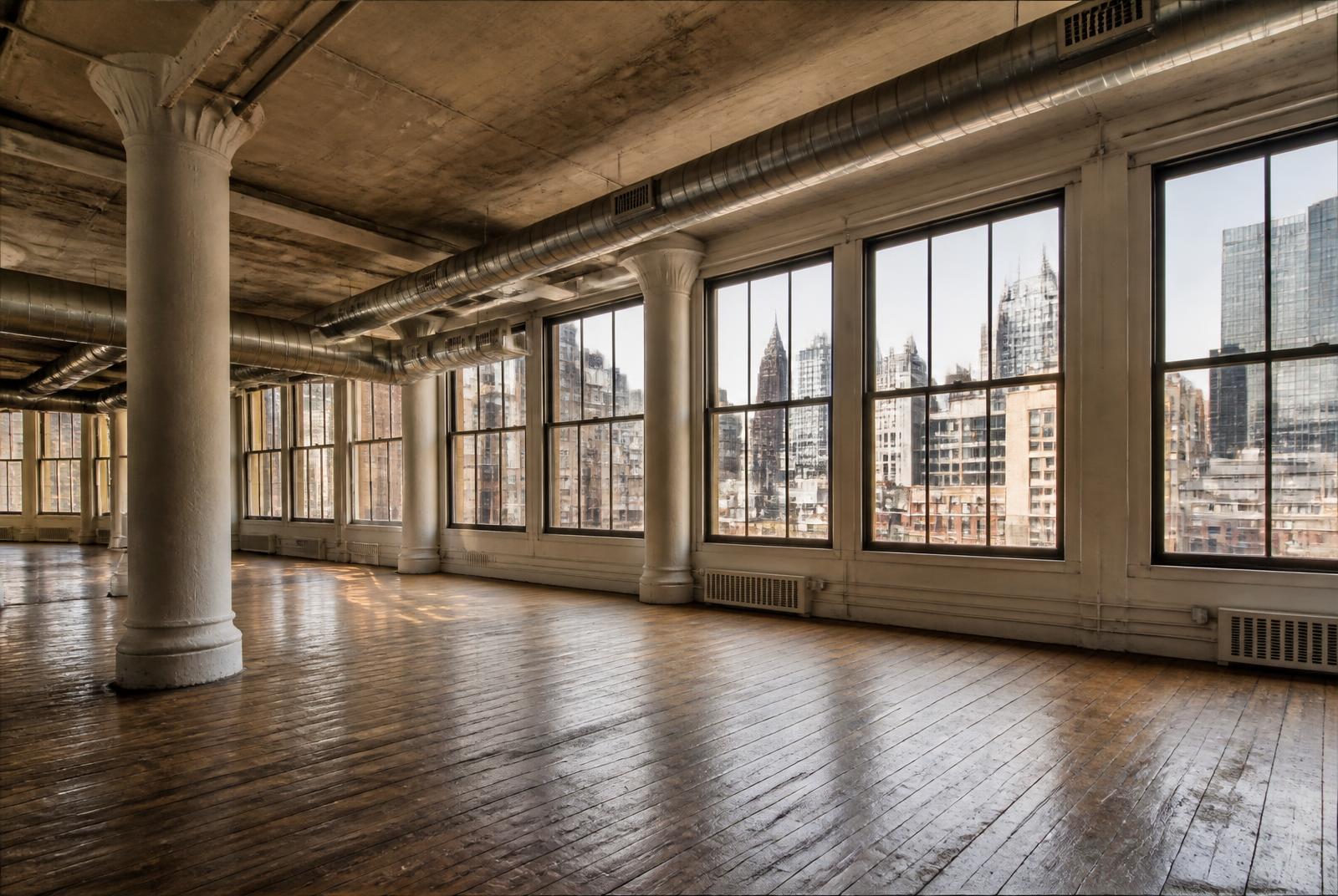
Shoppers. Cast-iron and masonry store-and-loft, built for wholesale and display. Enormous windows, wide bays, columns close to the glass. Beautiful, and frequently carrying less weight than anything else you will tour.
Machines. Garment and printing lofts, built behind and around the stores that they supplied. Narrower, plainer, brick and terra-cotta, with a real freight shaft and floors rated for presses and cutting tables.
Goods. Warehouse near the rivers and the rail. The heaviest floor loads in the borough and the only genuine docks. There is not much of it left, and it prices accordingly.
All three get marketed as Manhattan lofts. Only two of them will take weight, and only one was ever meant to.
How to tell them apart on a tour
Cast-iron store-and-loft (roughly 1850–1900). Iron fronts, very large windows, high ceilings, wide bays. SoHo, Tribeca, and the Ladies' Mile blocks around Union Square. Ask for the floor load in writing before you assume — display cases and shoppers are a lighter design case than a printing press, and it shows in the number.
Garment and printing loft (roughly 1890–1930). Brick and terra-cotta fronts, steel or steel-and-timber framing, plates commonly four to ten thousand square feet, one real freight shaft. The side streets off Union Square and Flatiron, the wide streets on the Lower East Side, the prewar avenue stock in Chelsea and Gramercy. This is where anything physical belongs.
Warehouse and freight (roughly 1900–1940). Concrete and steel, ribbon or industrial sash windows, the highest loads on the island and the only real docks. West Chelsea and the western edge of Tribeca.
Tenement upper floors (roughly 1860–1905). The Lower East Side's twenty-five foot lots. Fifteen hundred to twenty-five hundred square feet, a stair, and usually no freight at all. The cheapest way into Manhattan with any character, and the best-supplied small space in the borough.
What you cannot do here
This is the segment that saves the most wasted touring, so it is worth being blunt. Manhattan is the only borough we cover where the honest answer to “can I make things here” is generally no.
There is no protected industrial land. Brooklyn has three districts inside Industrial Business Zones. Queens has Maspeth and Dutch Kills. Manhattan has essentially nothing — the land got too valuable for making things decades before anyone thought to protect it.
Almost every district is landmarked. SoHo Cast Iron, Ladies' Mile, the four Tribeca districts, Gansevoort Market. Interior work is unaffected, but anything touching windows, storefronts, signage or rooftop equipment goes through Landmarks review. Treat it as a schedule item on a build-out rather than a blocker.
Nearly every building has residential neighbours above, beside, or across a street narrow enough that it makes no difference. Hours, amplified sound and loading are negotiated rather than assumed.
And loading is difficult almost everywhere — narrow streets, constant retail deliveries, scarce curb space, and in several districts weekend crowds.
So: studios, photo, post-production, design, sampling and light assembly are fine. Kilns, spray booths, venting, heavy loads and anything running overnight belong in Brooklyn or Queens. We cover both, and we would rather tell you now.
How the districts actually differ
SoHo and Tribeca. The oldest loft stock in the country and the most protected. Cast iron on assembled lots, extraordinary light, and the most expensive character space we handle. Tribeca adds the western warehouse stock and almost every subway line plus the PATH. SoHo adds weekend retail crowds that a building on Broadway deals with and one on a side street does not.
Union Square and Flatiron. Store-and-loft from the Ladies' Mile era, with the garment and printing lofts on the side streets behind. The best transit in the city — eight services under one corner at Union Square. You pay for that, and you bid against funded technology companies for the same floors.
Chelsea. The widest range of loft stock on the island: warehouse floors west of Tenth with real loads, prewar loft-and-office on the avenues, and a renovated High Line tier that reads as loft and prices as Class A. The catch is the walk — a gallery building on Eleventh Avenue is a genuine ten minutes from a train.
Gramercy and the Lower East Side. The two value answers, for opposite reasons. Gramercy is prewar avenue floors, quieter and more conventional, meaningfully cheaper than the blocks west of it. The Lower East Side is finer-grained than anywhere else in Manhattan — small floors, low rents, and usually a bar or restaurant below you.
What tenants ask us about most
“How do I choose between Manhattan's districts?” Ask what the building needs to hold. Equipment, freight and real floor loads point to West Chelsea, the Lower East Side wide streets, and the side-street lofts off Union Square and Flatiron. Character, light and an address people know point to SoHo and Tribeca. Budget then narrows it further — the spread across the island is roughly threefold.
“What were these buildings actually built for?” Three things, and it shows. Some were built to hold shoppers — cast-iron and masonry store-and-loft with enormous windows, wide bays and floor loads set for display cases. Some were built to hold machines — garment and printing lofts, narrower and plainer, with real freight and floors rated for presses. And a few were built to hold goods — warehouses near the rivers, with the heaviest loads and the only genuine docks. All three get marketed as Manhattan lofts.
“Can I do production work here?” Studios, photo, post and design, yes. Anything louder or messier, generally no. There is no meaningful protected industrial land left, almost every district is landmarked, and nearly every building has residential neighbours. Kilns, spray booths, venting, heavy loads and overnight machinery belong in Brooklyn or Queens, and we would rather tell you that before four wasted tours.
“What's the honest catch with Manhattan?” Price, and what you cannot do. This is the most expensive loft market in New York, and a large part of the premium is the address and the transit rather than the floor. Add the Landmarks review on anything touching a facade, and loading that is genuinely difficult almost everywhere. What you get in exchange is a character floor within fifteen minutes of nearly every client, on transit that works from every direction.
Brooklyn
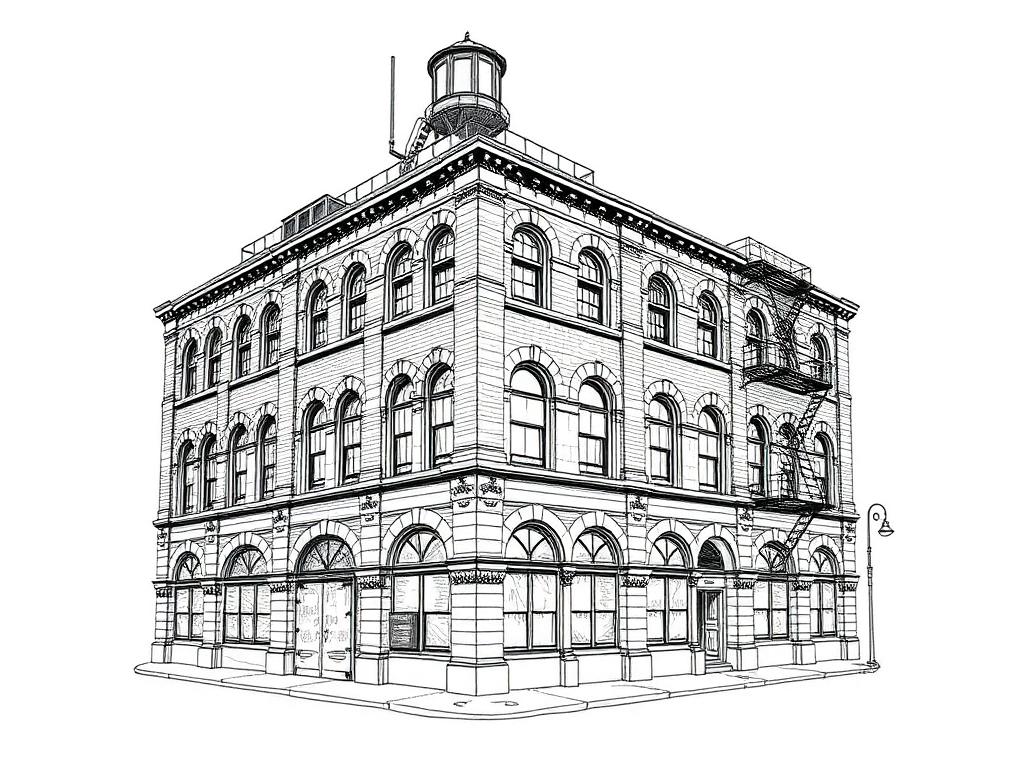
Where the making went. Seven districts, protected industrial zoning in three of them, and floors that actually carry weight.
Queens
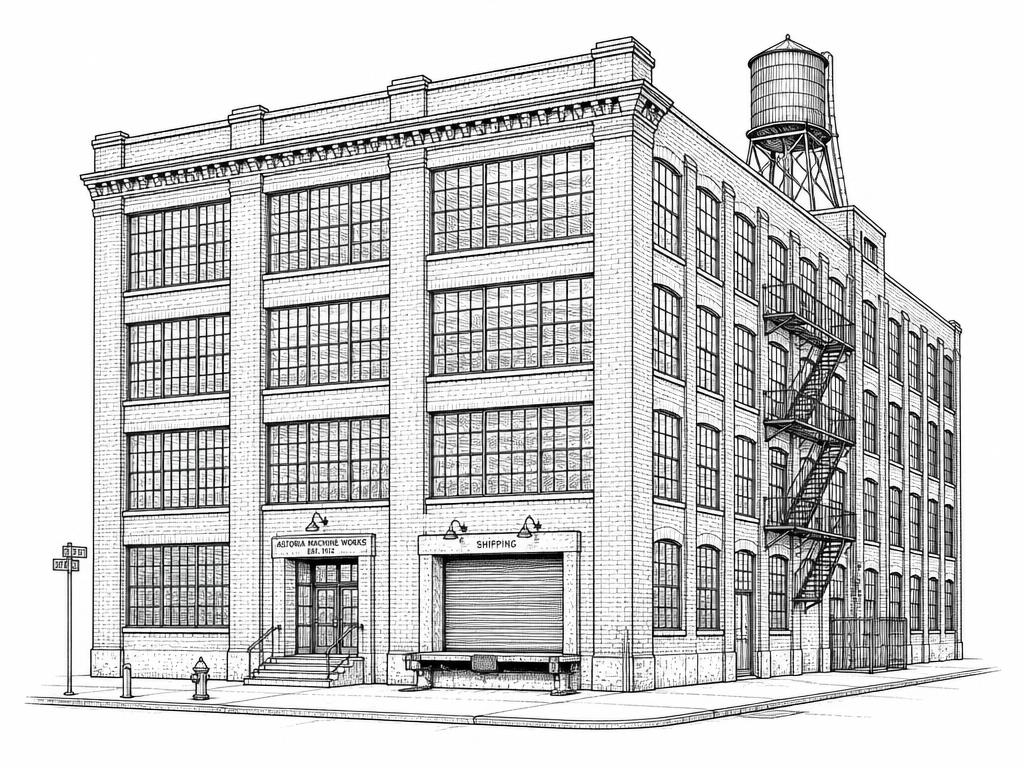
One waterfront rezoned, the rest left working. The best truck access in the city, and far less competition for it.
Williamsburg
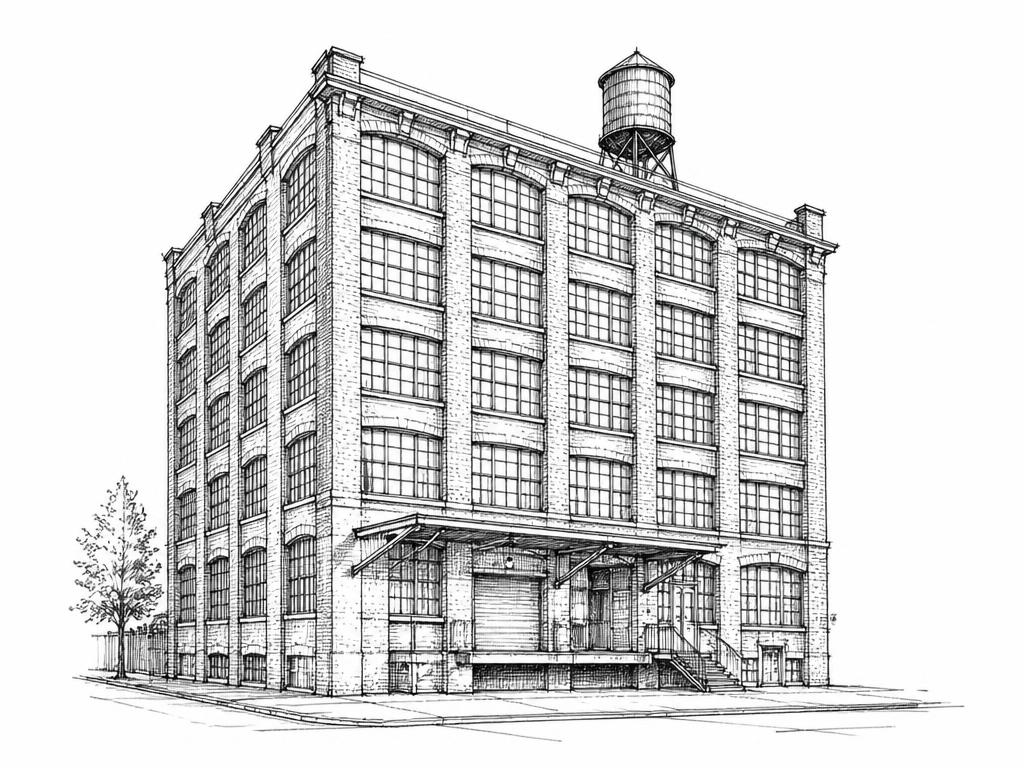
Two stops from Union Square on the L. Timber and concrete daylight factories, and the freight Manhattan can't give you.
Tell us what you're after.
Seven quick questions. A person reads it. We keep an eye out — including for floors that never hit a listing site.
Start the Brief →